Mental Toughness for Athletes: Proven Techniques to Elevate Performance
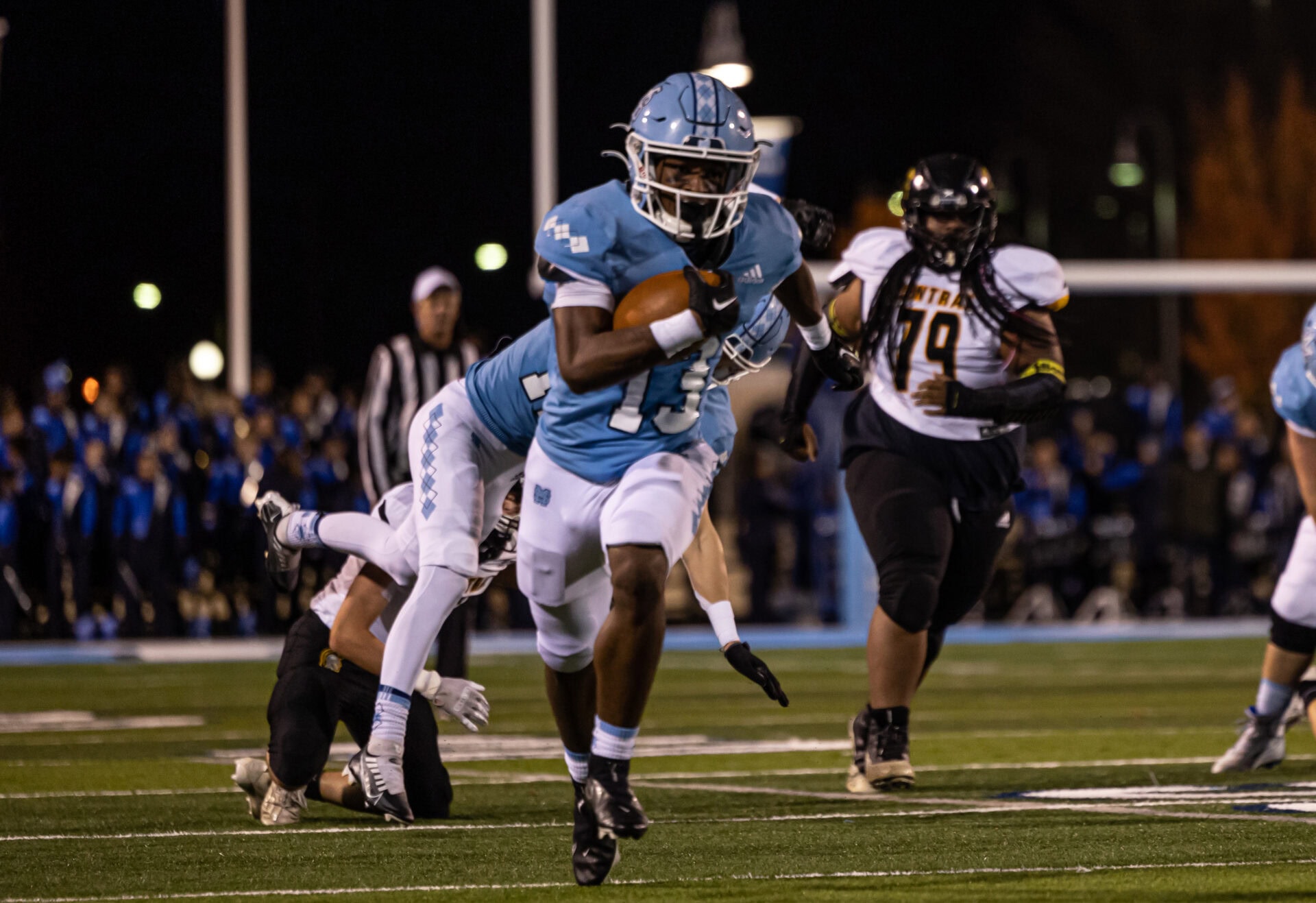
When we talk about mental toughness in athletes, what are we really getting at? It's the skill of delivering your best performance, consistently, no matter what the situation throws at you. This isn't some vague concept; it's a concrete skillset built on focus, emotional control, and unshakable confidence, especially when the game is on the line. What Mental Toughness Really Means for Athletes True mental toughness isn't about being a robot or showing no emotion. It’s the opposite—it’s about actively managing your inner world to create the results you want on the outside. Think about it. A golfer staring down a must-make putt on the 18th green. A swimmer on the blocks, seconds away from a championship final. The athletes who shine in those moments aren’t just physically primed; they are mentally dominant. So many athletes fall into the trap of thinking this kind of grit is something you're born with. That's a myth. The reality is that mental toughness for athletes is a discipline that can be built through deliberate, consistent practice, just like any physical skill. You train your mind the same way you train your body. Deconstructing Mental Strength into Trainable Skills To really build mental toughness, you can't just tell yourself to "be tougher." That's not a strategy. You have to break it down into specific skills you can actually practice and improve. Think of them as individual tools in your mental toolbox. Let’s quickly look at the core pillars that make up true athletic mental toughness. Understanding these components is the first step toward mastering them. Key Components of Athletic Mental Toughness Component Definition Example in Action Unshakeable Confidence A resilient belief in your abilities that doesn't crumble after one bad performance. A quarterback throws an interception but comes back on the next drive fully expecting to lead the team to a touchdown. Laser Focus The ability to tune out distractions (internal and external) and direct all your attention to the task at hand. A tennis player ignores a noisy crowd during a crucial tie-break, focusing only on the ball and their opponent. Emotional Control Managing feelings like anxiety, frustration, and doubt so they don't hijack your performance. A basketball player misses a free throw but uses a breathing technique to calm down and sink the second one. Resilience Bouncing back quickly from mistakes, losses, and setbacks without getting mentally derailed. A gymnast falls during a routine but immediately refocuses to perfectly execute the remaining elements. Each of these areas is a muscle. You have to work it to make it stronger. Mental toughness isn't about the absence of fear or doubt. It's the ability to perform at a high level despite their presence. It's about taking control of the only things you can ever truly control: your thoughts, your emotions, and your actions. The Proven Link to Better Performance The connection between mental fortitude and physical results isn't just anecdotal—it's backed by solid research. A major meta-analysis looking at 76 different studies found a significant, positive link between mental toughness and athletic improvement. What does that mean in simple terms? Athletes with stronger mental skills don't just win more often; they achieve bigger personal gains over time. You can dive into the full research about these athletic performance findings to see the data for yourself. This guide will give you the practical, step-by-step techniques to build these skills. It's time to stop letting pressure dictate your performance and start using your mindset as your ultimate competitive weapon. Finding Your Mental Performance Baseline Before you can build real mental strength, you have to know where you stand right now. It's that simple. Trying to improve your mental game without a clear starting point is like a strength coach handing you a workout plan without ever watching you lift. It just doesn't work. This initial self-assessment is your personal scouting report—a deep dive into your own mind to pinpoint your natural strengths and, more importantly, the areas ripe for improvement. This isn't about slapping clinical labels on yourself. It's about raw, honest reflection. The goal here is to create your own ‘Mental Performance Index’ by looking at how you actually respond when the pressure is on and things get tough. How to Run Your Own Mental Self-Audit You'll need to set aside some quiet time for this. Think about your recent performances, both the good and the bad. Get specific. Zero in on key moments in practices and competitions. The most important rule? Be brutally honest with yourself. No one else ever has to see this. Let's break it down. Consider these core areas of mental performance and ask yourself the questions that follow. Don't just give a "yes" or "no" answer. Jot down your thoughts and dig into the why behind them. Focus Under Pressure: When the crowd gets loud, a ref makes a terrible call, or pure exhaustion is setting in, can you stay locked in? Or does your mind start drifting to things you have absolutely no control over? Emotional Regulation: You just dropped a perfect pass or missed an easy shot. Do you spiral into frustration and let it ruin the next few plays? Or can you reset almost instantly? How long does one mistake stick with you? Confidence Stability: Is your self-belief rock-solid, or does it ride a rollercoaster with every success and failure? Do you walk into a big game feeling prepared and capable, even when you're the underdog? Motivation and Drive: What gets you out of bed on the days you just don't feel like training? Is your drive coming from within (a genuine love of the game, a desire for personal growth) or from the outside (praise from others, avoiding criticism)? An honest self-assessment is the foundation of all effective mental training. It transforms a vague goal like "get mentally tougher" into a specific, actionable plan like "improve my focus after a turnover." Creating Your Personal Mental Performance Index After you've done some reflecting, it's time to